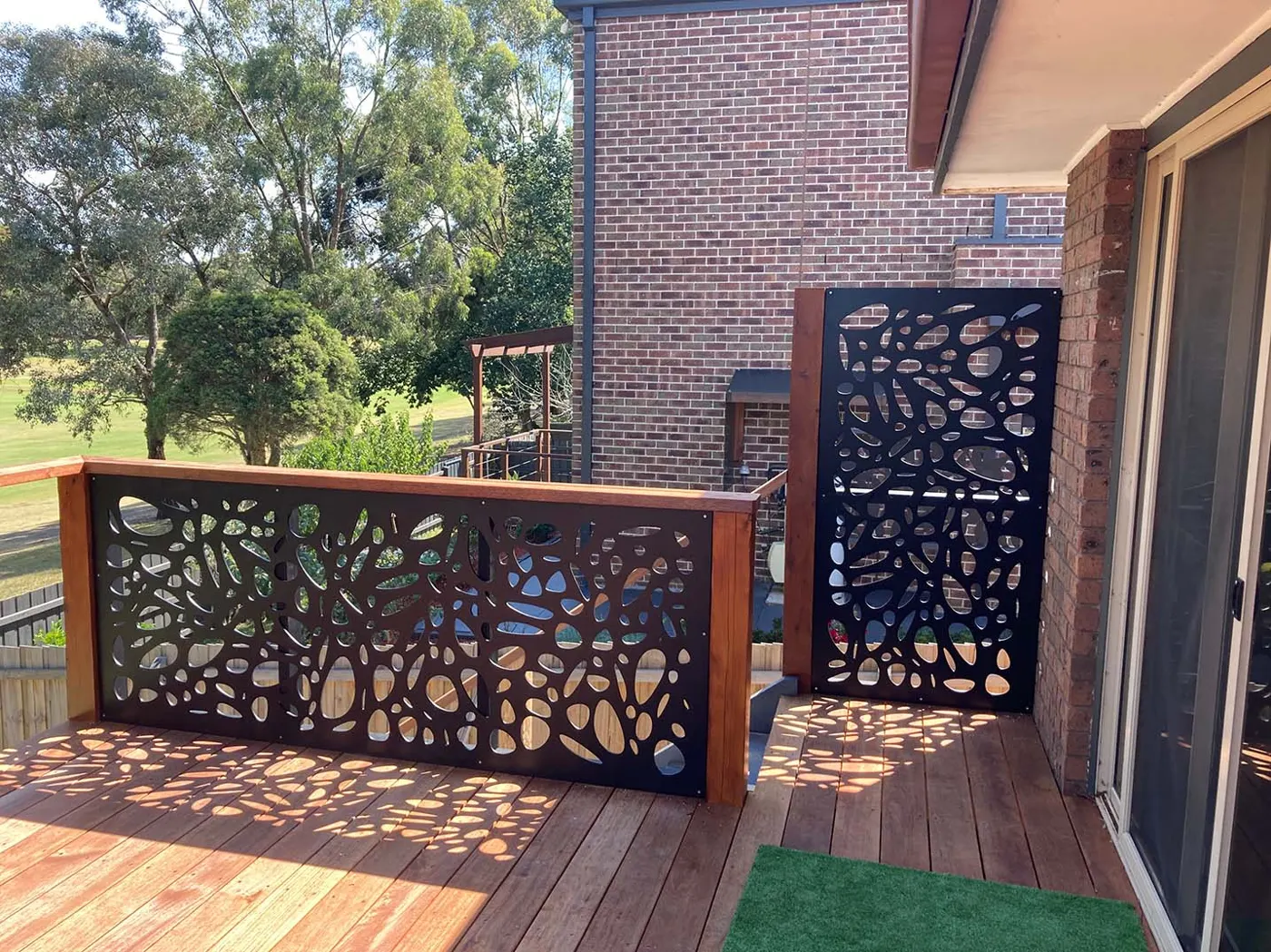
Two very different outdoor rooms
Attached and freestanding pergolas solve different problems. An attached pergola extends the house — it becomes the room you walk straight out into from the kitchen or living area. A freestanding pergola creates a destination somewhere else in the yard: over a deck, beside a pool, in the back corner of the garden.
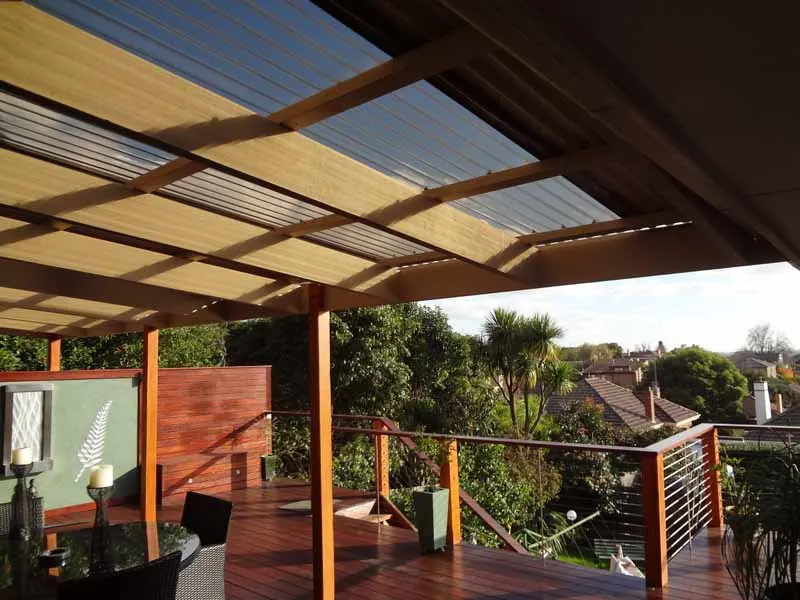
Attached pergolas — pros and cons
Pros: seamless flow from indoors out, weather protection over the back door, can tie into the existing house roof for a unified look.
Cons: needs more careful design to integrate with eaves, flashing and gutters; almost always requires a building permit and engineering sign-off.
Best for: families who want the pergola to function as a second living room, year-round.
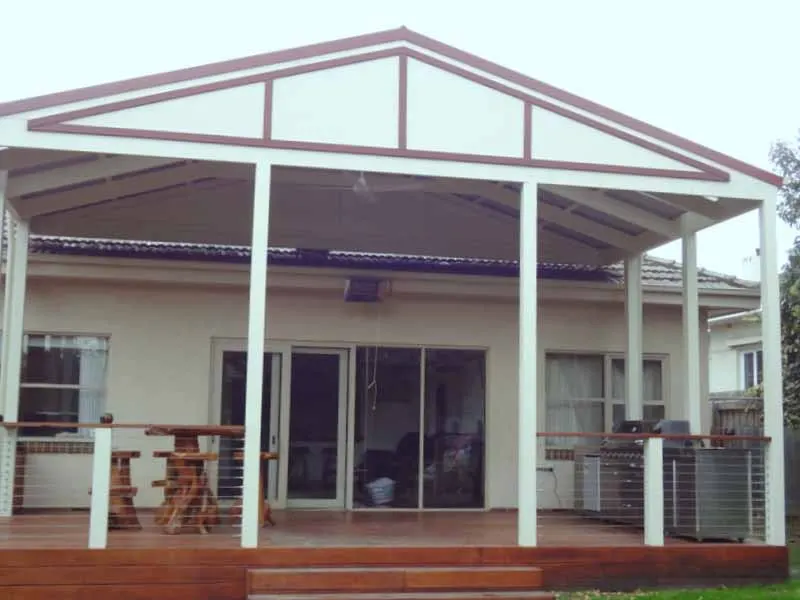
Freestanding pergolas — pros and cons
Pros: design freedom — you can place it anywhere with good sun and outlook. Simpler structurally because nothing has to tie back to the house.
Cons: you have to walk to it; less weather protection on the route between house and pergola unless paired with a covered walkway.
Best for: pool surrounds, garden retreats, BBQ zones and properties where the best outlook is not next to the house.
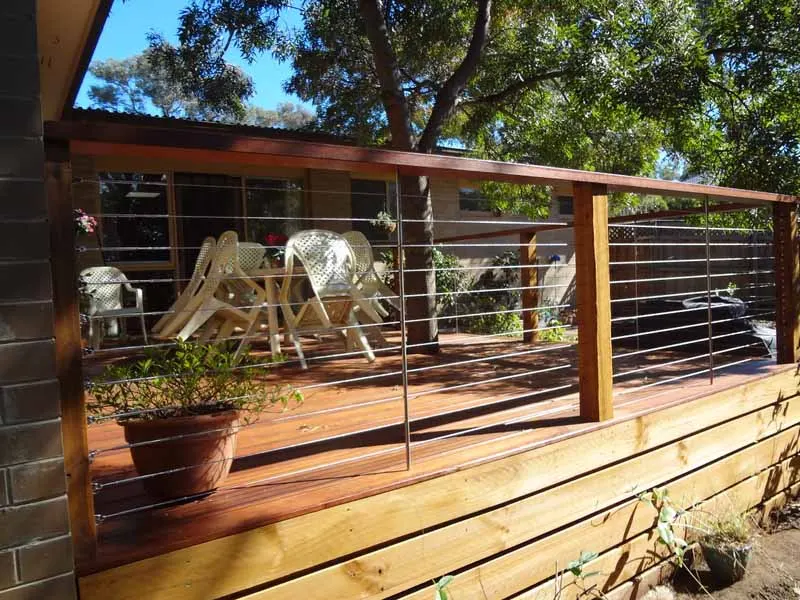
Which one suits your block?
Most Melbourne homes end up with an attached pergola because it's used daily. But on larger blocks, sloping sites, or where the best aspect is away from the house, a freestanding pergola wins.
We'll walk the site with you and sketch both options on the first consult so you can see them before committing.
Ready to plan your build?
Free on-site quotes across Melbourne.
Call Marc on 0421 548 360 or request a quote online.