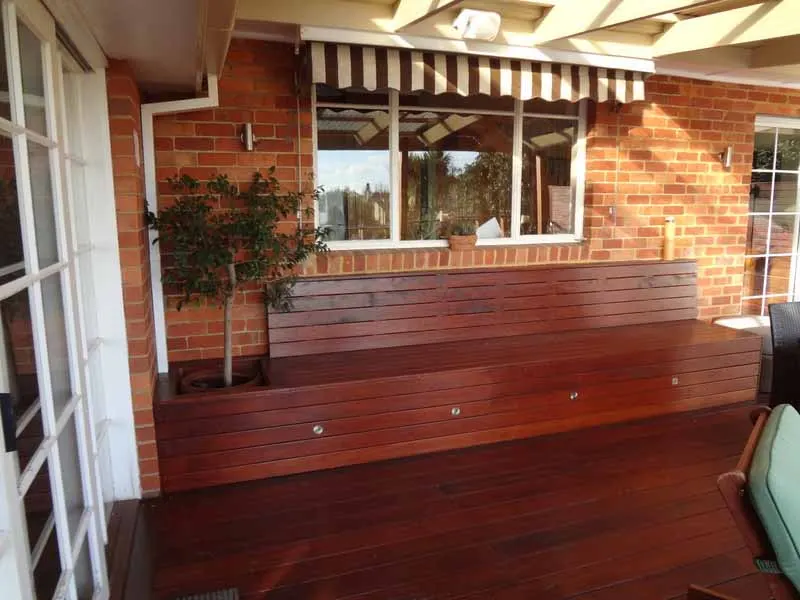
Designed around your outdoor space
What Millboard decking is made from
Millboard describes its boards as a mineral blend bonded with polyurethane resin and reinforced with glass fibres, with a Lastane surface layer. Unlike conventional wood-plastic composites, the boards do not contain wood fibre. This difference matters when comparing products, because broad composite descriptions can conceal different materials and installation requirements.
More about millboard decking
Millboard is a wood-free resin-mineral decking option for homeowners seeking a moulded timber-like appearance without a conventional hardwood surface. It should not be treated as interchangeable with every wood-plastic composite board. The product range, supporting structure, fixings and installation instructions need to work together. This guide explains material selection and installation planning, while separating manufacturer information from unverified claims about individual Deck It Out projects. Deck It Out offers millboard decking across Melbourne’s serviced suburbs. Discuss your site and desired scope with Marc before settling the design.
The manufacturer’s Australian material guide is the source for that composition, not a claim that every wood-free decking product performs the same way. Ask for current information on the exact collection being proposed. Keep the selected board name, profile and installation documents with the quote so there is no confusion between the sample you chose and the product eventually supplied.
Planning your millboard decking
Collections, texture and choosing a sample
Millboard’s Australian information describes collections including Enhanced Grain, Weathered Oak and Lasta-Grip.
Read more about Collections, texture and choosing a sample
Different surface appearances can suit different architectural settings, and Lasta-Grip is presented by the manufacturer as an added-grip option. Confirm current availability and the precise specification rather than assuming every collection is interchangeable in dimensions or detailing.
View samples outdoors alongside the house, paving and garden finishes. A showroom image may not convey the texture or colour under the lighting on your property. Ask how the surface looks over a larger area and how joins, edges and stairs will be finished. The aim is to choose a complete scheme, not merely an attractive board colour that proves difficult to detail in the final layout.
Millboard versus hardwood and wood-plastic composite
Hardwood provides natural grain and changing colour, with a finishing and maintenance approach chosen for the timber and exposure.
Read more about Millboard versus hardwood and wood-plastic composite
Conventional wood-plastic composites have their own material composition and care requirements. Millboard’s resin-mineral system is another option, not a universal upgrade that makes every other material unsuitable. Compare the exact products against the project brief.
Consider the appearance you prefer, the installation requirements, routine cleaning and the availability of replacement components. Upfront board supply cost is only part of an installed deck budget. Subframe work, edge details, access and approvals can be important regardless of the surface material. Avoid assuming that a low-maintenance board eliminates structural inspection or the need to keep the deck clean.
Plan the supporting structure for the product
The frame must suit the selected board system, deck geometry and loads.
Read more about Plan the supporting structure for the product
Existing joists that supported a timber deck should not automatically be assumed suitable for Millboard. Check spacing, support at joints and the current manufacturer’s instructions, along with the condition of the structure. Extra supports or a new arrangement may be required.
Ground preparation, drainage and airflow remain important with a wood-free surface. The supporting components can still have their own exposure and maintenance requirements. Resolve access to services and any inspection points before closing the platform. A suitable board cannot compensate for inadequate foundations or a deteriorated frame, so the structural scope should be part of the initial project discussion.
Fixings, joins and installation instructions
Millboard’s Australian installation guide describes its own fixing approach, including Durafix fixings.
Read more about Fixings, joins and installation instructions
Follow the current instructions for the exact product instead of transferring a generic composite clip detail. Board support, fastener placement, joins and perimeter finishing need to be coordinated before installation. The installer should have the same product documents that informed the quote.
A detailed board layout helps identify where extra supports and finishing components are needed. Borders, access sections and stairs can change the scope compared with a simple rectangle. Ask how cut ends and edge treatments will be handled, and how the installed system can be maintained. Do not invent universal spacing or fixing numbers when the supplier’s current specification is the relevant reference.
Wet use, grip and surface evidence
The manufacturer describes Millboard as highly slip-resistant and offers an added-grip collection, but suitability should be established for the actual use.
Read more about Wet use, grip and surface evidence
Obtain current test information for the exact range where relevant. A textured appearance alone does not confirm a required performance level, and no outdoor deck should be described as slip-proof.
Rain, dirt, algae and cleaning practices can affect the surface over time. A pool surround or heavily used route deserves specific consideration rather than a broad household comparison. Ask the designer or building surveyor which evidence is needed for the project. Keep the maintenance advice with that evidence so the installed surface is cared for in a way consistent with its intended use.
Sun, temperature and everyday comfort
Any outdoor decking surface can become warm in strong sun.
Read more about Sun, temperature and everyday comfort
Colour, exposure, shade and surrounding conditions influence comfort, so avoid a blanket promise that one board will stay cool on every Melbourne day. View samples in the intended setting and discuss shade or furniture placement where the deck will receive prolonged sunlight.
Consider the way the surface will be used: bare feet beside a pool, children playing or seating in a courtyard can create different priorities. Material selection is one part of that design, while shading and the layout can be equally important. Ask for relevant manufacturer guidance, but distinguish controlled product information from the exact conditions on your property. Do not turn a general material comparison into a temperature guarantee.
Cleaning and care for a resin-mineral board
Millboard’s care information should guide cleaning rather than a treatment intended for hardwood.
Read more about Cleaning and care for a resin-mineral board
The absence of a timber surface does not mean no maintenance is needed. Dirt, leaves and spills should be managed, and unsuitable chemicals or abrasive methods should be avoided. Check current instructions for the chosen collection before applying a cleaning product.
Keep the supporting structure and drainage in the maintenance plan as well. Inspect access points, fixings and edges, and avoid blocking airflow with storage or landscaping. If the surface is damaged, obtain supplier advice before attempting a repair method designed for another material. Record the board range and any maintenance products so future care is based on the installed system rather than a generic composite recommendation.
Bushfire evidence and warranty conditions
A wood-free composition is not proof of suitability for a particular BAL.
Read more about Bushfire evidence and warranty conditions
Where bushfire controls apply, request current documentation for the exact Millboard product and proposed assembly, then have it checked against the assessed exposure and approval requirements. This guide does not assign Millboard a BAL rating or transfer another manufacturer’s certification to it.
Warranty terms should also be reviewed for the actual product, use and installation. Do not assume every collection or commercial application carries the same cover. Ask for the current Australian terms, installation conditions and maintenance obligations before ordering. Keep those documents at handover. Manufacturer warranties and construction responsibilities are different matters and should be understood separately.
Comparing a complete Millboard installation quote
A complete quote should identify the selected collection and colour, board layout, subframe, fixings, edging and stairs or barriers where applicable.
Read more about Comparing a complete Millboard installation quote
Demolition, access preparation and approval-related work need to be stated separately or explicitly included. Compare the finished scope rather than board supply alone, since a premium surface can still be installed on very different structural designs.
Ask who supplies product information and how any substitution will be authorised. Confirm GST, waste handling and provisional items before comparing prices. Retaining an old frame should be supported by inspection and product compatibility checks, not simply offered as an assumed saving. The most useful price is the one attached to a clear, suitable and documented installation scope.
Preparing for your site discussion
If you are considering Millboard, tell us which collection and colours you have seen and whether you have samples.
Read more about Preparing for your site discussion
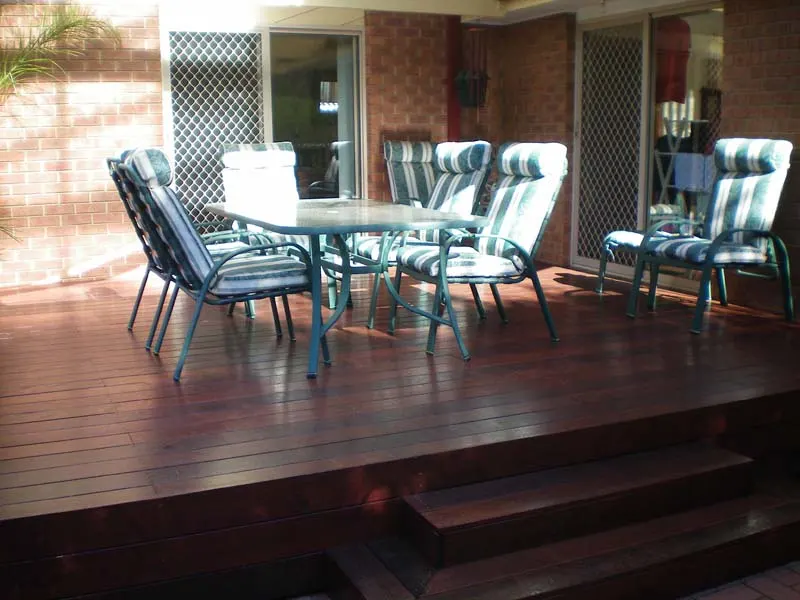
Share the intended use, exposure and any existing frame you hope to retain. Mention pool-side use, bushfire documentation or commercial requirements so product evidence can be checked early. Our current portfolio can illustrate deck layouts, but it is not presented as proof of a Millboard installation. A verified material-specific project photograph should only be attributed when the installed product is known.
Our process
From site discussion to handover
- 01
Set the brief and compare materials
Step details: Set the brief and compare materials
Define how the deck will be used, exposure and maintenance expectations. Compare Millboard with hardwood and conventional composite options using current product information and outdoor samples.
- 02
Choose the exact collection
Step details: Choose the exact collection
Confirm the board range, colour and available finishing components. Obtain installation, care and warranty documents. Check project-specific performance evidence, including bushfire requirements where applicable.
- 03
Design the supporting structure
Step details: Design the supporting structure
Inspect any existing frame and resolve spacing, support, drainage and loads for the proposed system. Confirm approvals and access needs before ordering boards. Coordinate stairs and perimeter details with the main deck.
- 04
Install to the selected system’s instructions
Step details: Install to the selected system’s instructions
Build the agreed supports and use the specified fixing approach. Complete joins, edges and access details in a planned sequence. Obtain the relevant inspections and record any approved changes.
- 05
Handover with product records
Step details: Handover with product records
Keep the exact collection, supplier documents and care advice. Review the finished scope and maintenance access. Treat cleaning and structural inspection as continuing responsibilities even with a low-maintenance surface.
Your questions,
answered.
Is Millboard a wood-plastic composite?
Millboard describes its boards as a wood-free resin-mineral composite, reinforced with glass fibres and a Lastane surface layer. It differs from conventional composites containing wood fibres.
Can Millboard be installed on my old timber frame?
Only after structural condition and compatibility with the exact product’s installation requirements are checked. Different support or fixing details may be needed.
Does Millboard need hardwood oil?
Follow Millboard’s current cleaning and care instructions for the selected collection. Do not apply a hardwood treatment or another board brand’s maintenance system without supplier approval.
Is Millboard suitable for every bushfire rating?
Do not assume that. Obtain current evidence for the exact product and complete proposed assembly, and have it checked against the assessed BAL and approval requirements.
What should a Millboard installation quote specify?
The exact collection, colour, supporting structure, fixings, joins and finishing components, along with demolition, approvals and access features. Confirm GST, exclusions and current warranty conditions.
Related decking services
Talk to Marc about your project
Share your address, approximate dimensions and any existing drawings or product preferences.